BaF’s thinking on AI is rooted in a long-term exploration of the relationship between architecture, the environment, and the future. To understand BaF’s AI trajectory and development path, one must begin with CI (Carbon Intelligence) and BI (Bio Intelligence), leading to today’s AI (Artificial Intelligence).
CI(Carbon Intelligence)1999-2017
Beginning with early explorations of “low-carbon aesthetics,” and later expanding into ongoing research on embodied carbon, operational carbon, energy simulation, and ESG, we have continuously reflected on the deeper relationship between architecture and the environment.
This phase also represented BaF’s period of romanticism. CI was not only about data and technology, but also about sensibility, aesthetics, and the value of design itself.
BI(Bio Intelligence)2017-2019
Rooted in the concept of “biosymbiosis,” BI envisions architecture and the material systems of human civilization forming sustainable cyclical relationships, much like those found in nature.
AI(Artificial Intelligence)Now-
Building upon the foundations of BI and CI, AI is applied as a tool to connect knowledge systems, workflows, and new forms of human–machine collaboration.
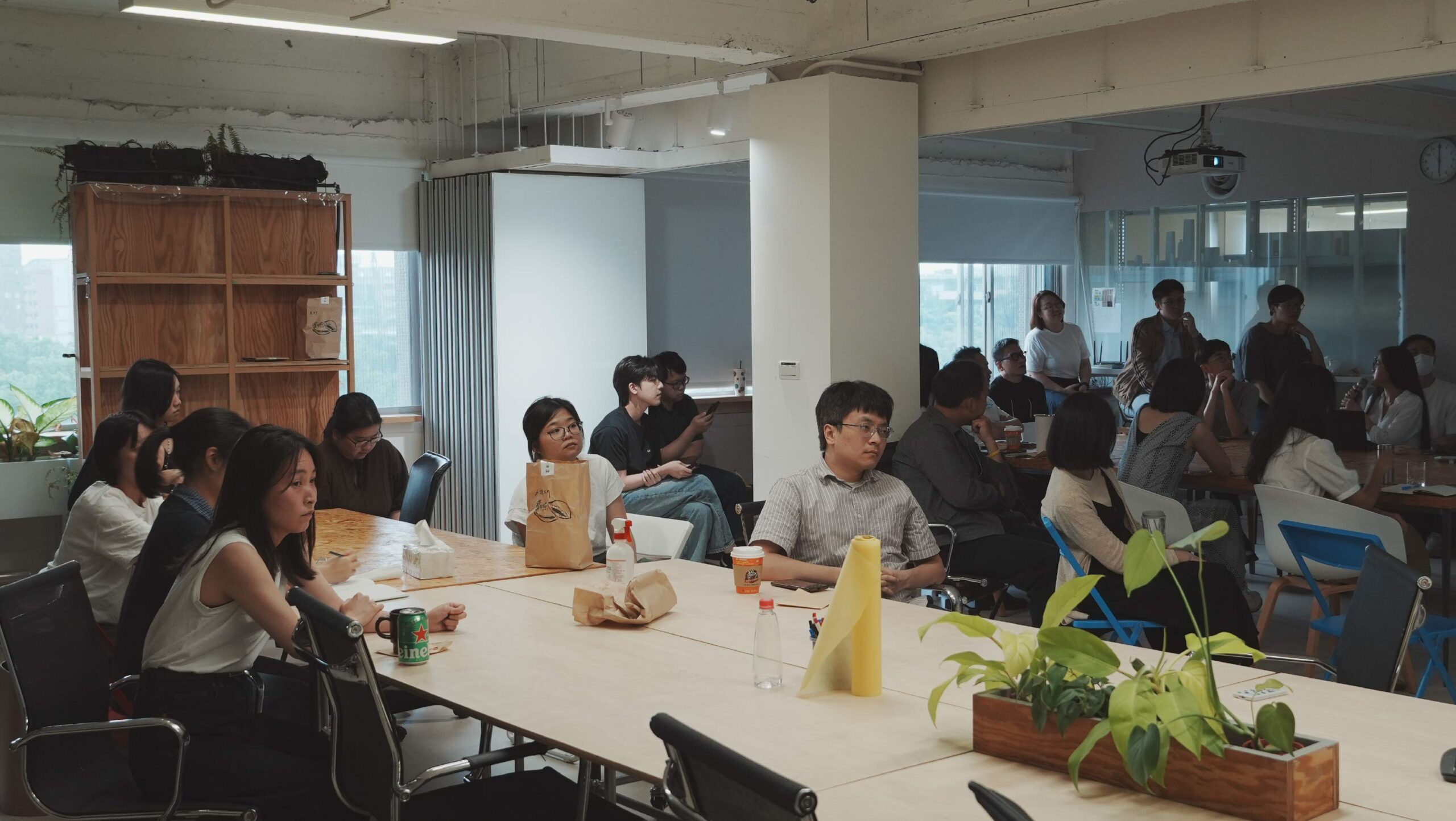
Recently, BaF has also gradually introduced mechanisms such as AI Agents, AI coding workshops, team-based competitions, and internal salons, encouraging each team to develop its own tools and AI assistants.
We believe AI is not merely a tool for efficiency, but a new working language and organizational culture. BaF continues to explore how architectural practices can collaborate with AI to co-create new design methodologies and knowledge systems for the future.